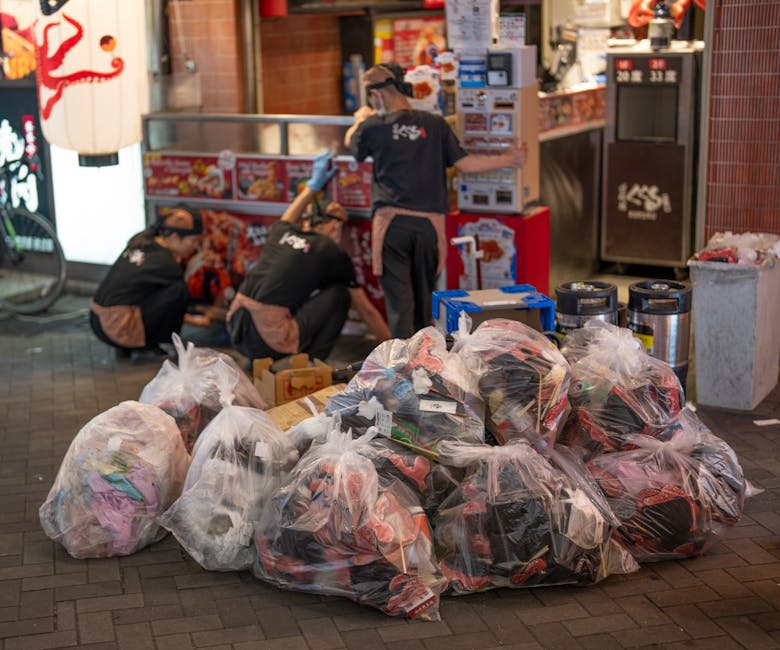
Commercial Waste Removal in Temple
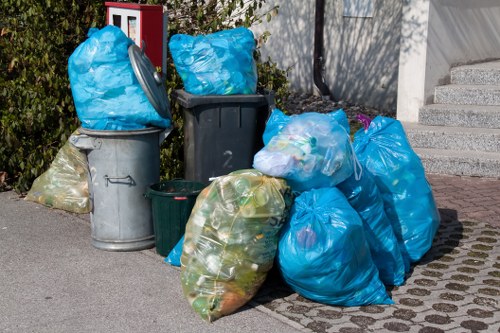
Commercial waste removal in Temple needs a service that is organised, practical and suited to regular business routines. We provide removal for mixed commercial waste, recyclable materials and bulky items, helping workplaces keep back-of-house areas clear and easier to use. The focus is on straightforward collection, sensible sorting and reliable handling of material that cannot stay on site.
Businesses often need more than one type of clearance over time, so our service can cover routine commercial waste removal alongside larger one-off loads. If your premises generate cardboard, packaging, redundant office items or general trade waste, we can discuss the most suitable way to handle it. For a first look at the main service, see our business waste removal page, which outlines a broader commercial collection approach.
When you are ready to compare options, ask for a quotation with a brief outline of the waste type and the amount you want removed. A clear description helps us match the work to the right collection method. If you are planning an ongoing arrangement, it is also useful to note how often waste builds up and whether access is shared with other occupants.
Regular collections for working premises
Commercial waste removal is rarely just about taking bags away. Offices, retail units, studios and small workshop spaces can all produce different waste streams, and the collection needs to reflect that. We deal with material that has built up in bins, storerooms, service yards or loading areas, with attention to the practical details that help the job run smoothly. That may include separating recyclable material where it is already sorted, or taking mixed loads that need careful handling before disposal.
For customers comparing service choices, it helps to think about volume, access and consistency. A site that produces predictable waste may suit repeat collections, while a premises clearing out a backlog may need a one-off visit. Our waste removal page gives a wider overview of the kind of clearance work that can support commercial properties as well as other settings. The aim is to keep the process workable, not complicated.
Types of commercial waste we can discuss
Different businesses create different waste profiles, and the most effective removal plan depends on what is actually on site. In practice, commercial waste may include packaging, office disposals, broken furniture, excess stock outer packaging, hard plastics, shelving components and general mixed rubbish. Some items are easier to move when they are separated first, while others can be collected together if the load is suitable. The right approach depends on the material, its quantity and the space available for loading.
Office waste and workstation clearances
Office waste often accumulates gradually, especially when teams replace furniture, reorganise storage or free up space after a move. Our office-focused collection work can cover desks, chairs, cabinets, boxes of obsolete paperwork for secure destruction arrangements and general office rubbish. Where items are still reusable elsewhere, it is sensible to identify them before the collection so that disposal is not the only route considered. That keeps the job more efficient and can reduce unnecessary waste.
For office environments, access matters as much as volume. Narrow corridors, lifts, shared entrances and time restrictions can all affect how a clearance is planned. If you are comparing services, the office clearance page is a useful place to review the sort of work involved in removing furniture and redundant contents from professional premises. It sits well alongside a wider waste removal plan when there are both small and bulky items to take away.
Simple preparation helps make a commercial collection more straightforward. Keep items you want to retain apart from waste, identify anything that needs special handling and tell us about access or parking limitations. If paperwork, equipment or furniture is spread across several rooms, a quick inventory can make the quotation stage easier. You do not need to overcomplicate the preparation; a clear note of what is staying and what is leaving is often enough.
Furniture, fixtures and bulky item disposal
Businesses do not only need waste sacks removed. Chairs, desks, cupboards, shelving and reception furniture can quickly occupy valuable space if they are no longer needed. Our commercial waste removal work can include bulky items as part of a mixed load, provided the collection is arranged around the nature of the material and the access available. This is particularly useful where a premises is being refitted, reconfigured or partly emptied.
Bulky items often need a different approach from loose rubbish, because they take more room and can require a two-person lift or careful manoeuvring through shared spaces. Where appropriate, we can discuss furniture-specific disposal and related clearance work. The furniture clearance page provides a closer look at that kind of service, while the main waste removal arrangement can cover smaller items collected at the same time.
When furniture forms part of a larger job, the most helpful information is usually simple: what the items are, how many there are and whether they are located on one floor or several. That allows the collection to be planned sensibly without making unsupported assumptions. Clear descriptions are better than long explanations, especially when the site contains a mixture of office waste and larger fittings.
Clearing packaging, cardboard and stock-related waste
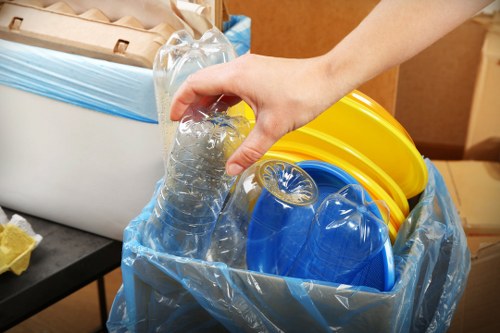
Packaging waste is a common issue for shops, storerooms, hospitality businesses and workplaces receiving regular deliveries. Cardboard, wrapping, plastic film, transit materials and redundant display packaging can build up quickly even when the business is otherwise tidy. We can help remove these materials as part of a commercial waste removal arrangement, especially when the load has become too large for ordinary bins or internal storage areas.
Some premises need regular attention because stock arrives in waves, while others need a one-off tidy after a delivery cycle or seasonal change. If packaging is a recurring issue, it may be useful to align collections with delivery patterns rather than waiting until the storage area is full. Where the waste is mainly trade-related, the service can be discussed alongside broader commercial collection options such as our business waste removal page, which sits well with day-to-day operational needs.
How the collection is usually planned
Planning usually begins with the type of waste, followed by the amount and then the access conditions. That order matters because cardboard stacked in a dry storeroom is very different from mixed rubbish in a yard or basement. If items are already grouped together, removal is usually more efficient. If they are spread across several areas, we can still discuss the work, but the arrangement may need more detail before anything is quoted or scheduled.
Hazard-sensitive loads and restricted materials
Not every commercial item can be handled in the same way, and some materials need extra care. In business premises that generate waste with potential safety concerns, the first step is to identify what the items are before arranging removal. That may apply to liquids, sharp objects, contaminated containers or materials requiring specific handling rules. We only want the parts of the job that are suitable for the collection method being discussed.
Where a load includes waste that cannot go through a standard collection route, the safest approach is to separate it and check the available options. The hazardous waste disposal page provides a more specific destination for those items, while the general commercial service remains focused on suitable, non-specialist waste. This helps keep the work clear and avoids mixing ordinary rubbish with restricted material that needs different treatment.
If you are unsure whether something belongs in the collection, the best preparation is a simple written note of the item type rather than guesswork. That allows the job to be discussed accurately and keeps the scope within what can be properly handled. A careful description is better than assuming that all business waste follows the same route.
About Temple

Temple is a central London district on the north bank of the River Thames, known historically for the legal quarter associated with the Inner Temple and Middle Temple. The area takes its name from the Knights Templar, who held land here in the medieval period, and much of its identity still reflects that layered history. Temple Church, with its round nave, remains one of the best-known landmarks and is closely tied to that past. The surrounding streets are more restrained than many parts of central London, with legal chambers, offices and institutional buildings forming much of the built environment. Fleet Street runs nearby, linking the district to centuries of printing, publishing and legal activity, while Temple tube station gives the area a direct underground connection. The district also sits close to the Embankment and the Thames Path, so riverside walks are an important part of its urban character. Between the formal architecture, garden spaces and river frontage, Temple feels distinct from nearby commercial districts. Its setting combines historic governance, law and transport links in a compact part of the capital where old stone façades, church grounds and modern office use exist side by side.
Collections for premises with refurbishment or relocation work
When a business is changing layout, refurbishing rooms or moving between premises, waste removal often needs to happen alongside other tasks. Broken fittings, redundant storage, packaging from new equipment and items no longer needed after a redesign can all appear at once. A commercial waste collection can support that process by removing the material that is no longer useful, leaving the premises easier to organise for the next stage of work.
For customers planning a larger change, it helps to list the main item groups in advance and separate anything that should stay on site. If the job includes furniture or built-in items, the relevant clearance pages can help clarify the options. For example, our flat clearance and home clearance pages show the wider style of clearance work available, while commercial sites usually need a more business-focused approach to access and timing.
Where multiple item types are present, we usually look at the work in the order of practicality: what can be lifted, what can be separated and what needs special attention. That is a better basis for a quotation than vague estimates. Good planning reduces delays and helps the collection fit into the constraints of a working premises.
Pricing factors and quotation details
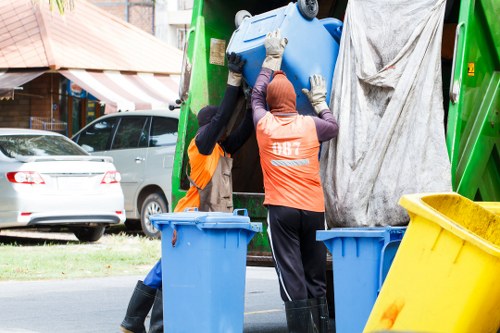
Commercial waste removal pricing is usually influenced by the amount of waste, the type of material, access to the premises and whether the job involves one collection or a repeat arrangement. A small load of bagged rubbish from a single office may be very different from a mixed clearance involving bulky items, multiple rooms and limited parking. Because of that, a useful quotation depends on accurate details rather than a broad guess.
If you are asking for a quotation, give a brief summary of the item types, approximate quantity and any access issues such as stairs, shared entrances or restricted loading space. If the waste includes mixed office contents, packaging and bulky furniture, say so in one clear note. You can also review our pricing and quotes page for a broader explanation of how an estimate may be put together before you send the enquiry.
For a smooth start, please keep the enquiry concise but informative. A short list of items, a rough idea of the volume and your preferred timing is usually enough to begin. Request a quotation once you have the basic details ready, and we can then look at the most suitable commercial waste removal option for your premises.
Supporting ongoing waste reduction and recycling choices
Many businesses want waste removal that does more than simply clear the space. Sorting suitable material in advance can make collections more efficient and may improve how reusable or recyclable items are handled. Cardboard, metal, clean hard plastics and certain office materials are often easier to manage when they are separated from mixed rubbish, while damaged or contaminated items may need a different route. The key is to keep the arrangement realistic for the site rather than chasing an ideal that does not fit the workload.
Where a business is trying to reduce repeated build-up, the collection pattern matters. Regular removal of packaging and overflow waste can help prevent service yards, stock rooms and rear access areas from becoming cluttered. If you want to explore the wider disposal approach beyond a single clearance, the recycling and sustainability page explains the broader direction of that work. It sits well alongside commercial waste removal when the aim is to manage material responsibly and keep the premises easier to run.
If you are comparing services, think about which items need immediate removal and which can wait for a separate collection. That kind of decision is often more useful than trying to force everything into one category. The right commercial arrangement should fit the waste you actually have, not an idealised list of business rubbish.
Useful support pages for business customers
Commercial waste removal can overlap with several related services, especially where a premises stores old equipment, mixed furniture or confidential material. A business may need one clearance now and a different service later, so having a clear view of the available options can help with planning. If your load includes paper records or documents that should not be treated as ordinary rubbish, the confidential shredding page may be relevant alongside the main collection. Similarly, if the job includes a wider property clearance rather than isolated waste, the related service pages can help you narrow the scope.
For larger clearances, the main question is usually not whether items can be removed, but how they should be grouped. That is why the supporting pages matter: they show different kinds of removal in a more specific way. You might compare them with the garage clearance and loft clearance pages if the premises contain stored items as well as ordinary waste. Those destinations are useful when the collection includes a mix of junk, storage contents and bulky items that need a proper plan.
To keep the process manageable, it is often best to begin with the main waste category and then decide whether a specialist or broader clearance page gives a better fit. That way the enquiry stays grounded in the actual job rather than in assumptions about what might be needed. Start with the items, then match the service is a practical rule for most commercial clearances.